
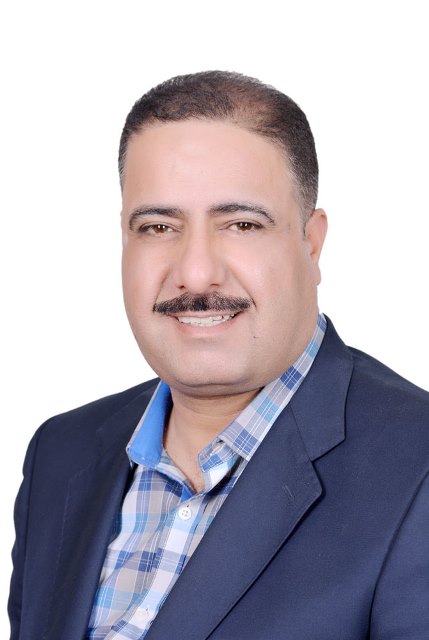
Prof. Dr. Omar Al-Kafawin
About the Faculty of Arts and Educational Sciences
The Faculty of Arts and Educational Sciences was established with the founding of the University, and teaching began at the start of the 1991/1992 academic year. The Faculty specializes in offering programs in the fields of languages and literatures, educational sciences, and sports sciences. It also offers a number of basic and humanities courses to University students in general.
The Faculty includes six departments: the Department of Arabic Language and Literature, the Department of Applied English Language, the Department of Chinese Language and Literature, the Department of Psychological Counseling, the Department of Physical Education, and the Department of Basic Humanities Sciences. The first five departments are academic departments that award a Bachelor's degree after the student completes (132) credit hours in the major. As for the Department of Basic Humanities Sciences, it carries the responsibility of teaching University requirements and some Faculty requirements. It also plays an important role in integrating new students into the university environment and contributes to deepening students' cultural and intellectual level through the nature of the courses it offers.
The Faculty awards a Master's degree in Arabic Language and Literature through two tracks: a thesis track consisting of (24) taught credit hours plus (9) credit hours for the thesis, and a comprehensive exam track consisting of (33) taught credit hours, with a comprehensive examination at the end of the program. At the beginning of the 2025/2026 academic year, a Master's program in Chinese Language and Literature was introduced through two tracks: a thesis track consisting of (24) taught credit hours plus (9) credit hours for the thesis, and a comprehensive exam track consisting of (33) taught credit hours, with a comprehensive examination at the end of the program.
Since its establishment, the Faculty has sought excellence in study plans, teaching methods, and the nature of its interaction with students, with a focus on building their personalities, in addition to providing the facilities necessary for teaching, such as classrooms and laboratories. Beyond its emphasis on educational and academic standards and ensuring their distinction and progress, the Faculty of Arts and Educational Sciences represents the University's cultural and intellectual face through the scientific, cultural, and extracurricular activities it consistently organizes. Faculty members and students participate in these activities, along with specialists and experts from outside the University, which contributes to improving the academic level and opening broad horizons for students in relation to their specializations, interests, and inclinations.
The Faculty holds its international scientific conference; it has reached twenty-five editions. It also organizes annual scientific days that include academic research and studies from the Faculty's departments, student activities, and creative and cultural competitions. These aim to raise students' level, develop their awareness, and refine their personalities through an integrated approach that combines academic content with open extracurricular activities. The Faculty also contributes to enriching cultural life at the national level through the Young Poets Festival, the Young Storytellers Forum, and a creative season dedicated to talented school students.
Because the Faculty's field of specialization is humanistic and literary, communication between faculty members and students is based on developing students' abilities and motivating their energies toward values that elevate the highest human ideals in their personalities, in order to build an effective democratic person who understands the duties placed upon them and feels responsibility toward issues connected to the life and security of their society.
Recently, the Faculty has developed the study plans for all academic programs, and has also reviewed the learning outcomes of academic programs and course outcomes to match labor market needs and the requirements of the National Qualifications Framework. It is currently preparing to include its departments under Jordanian accreditation. The Faculty has also developed its strategic plan for the years (2022–2027), which represents the roadmap for realizing its vision. These measures have led to an improvement in the number of admitted students and have also had a positive impact on the quality of the Faculty's graduates.