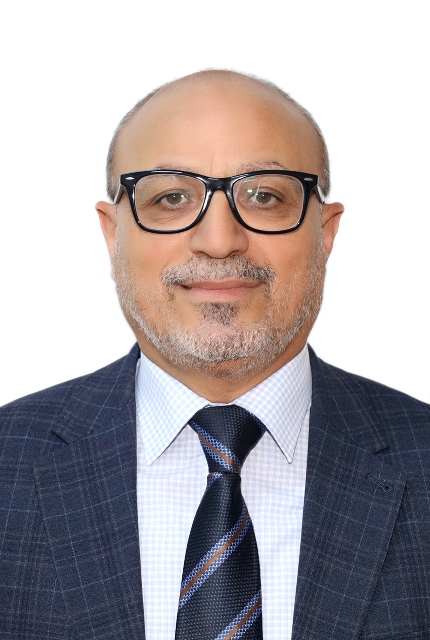
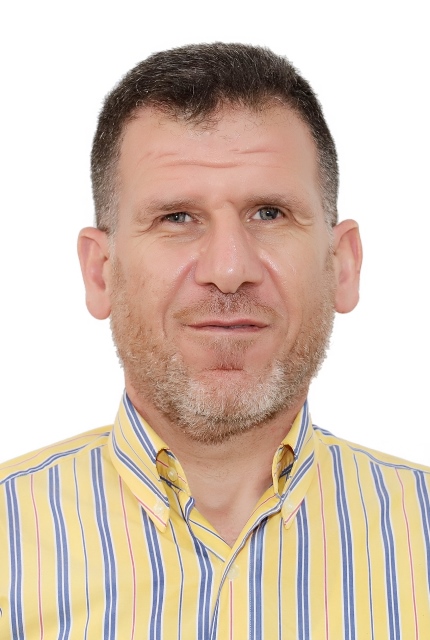
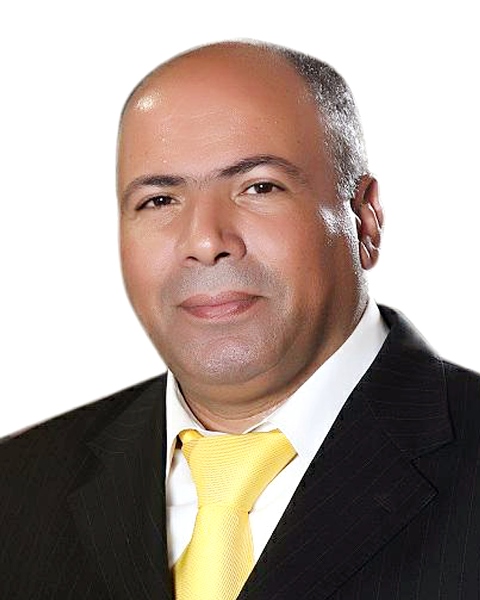
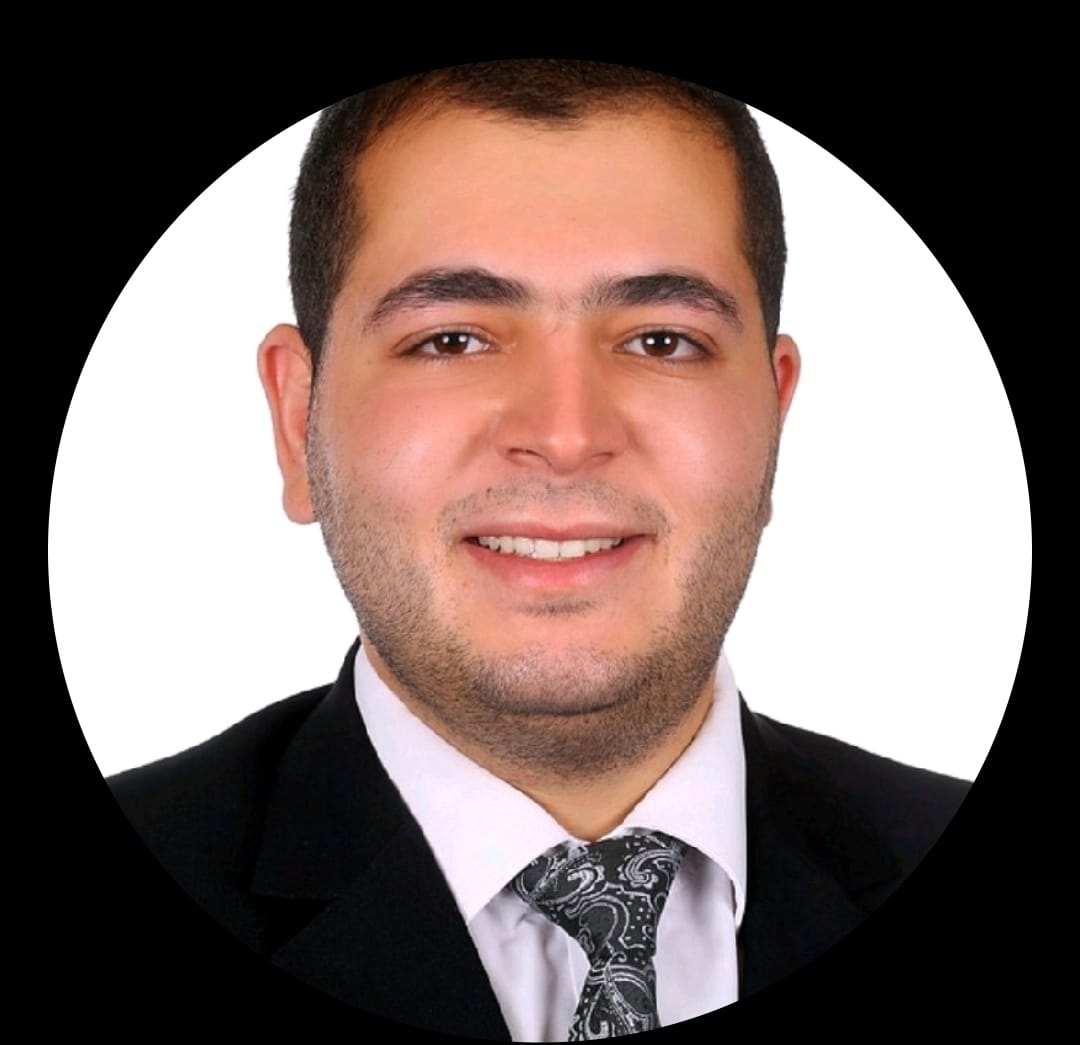
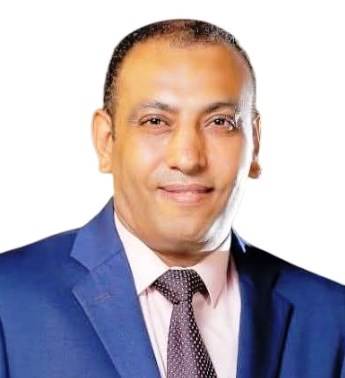
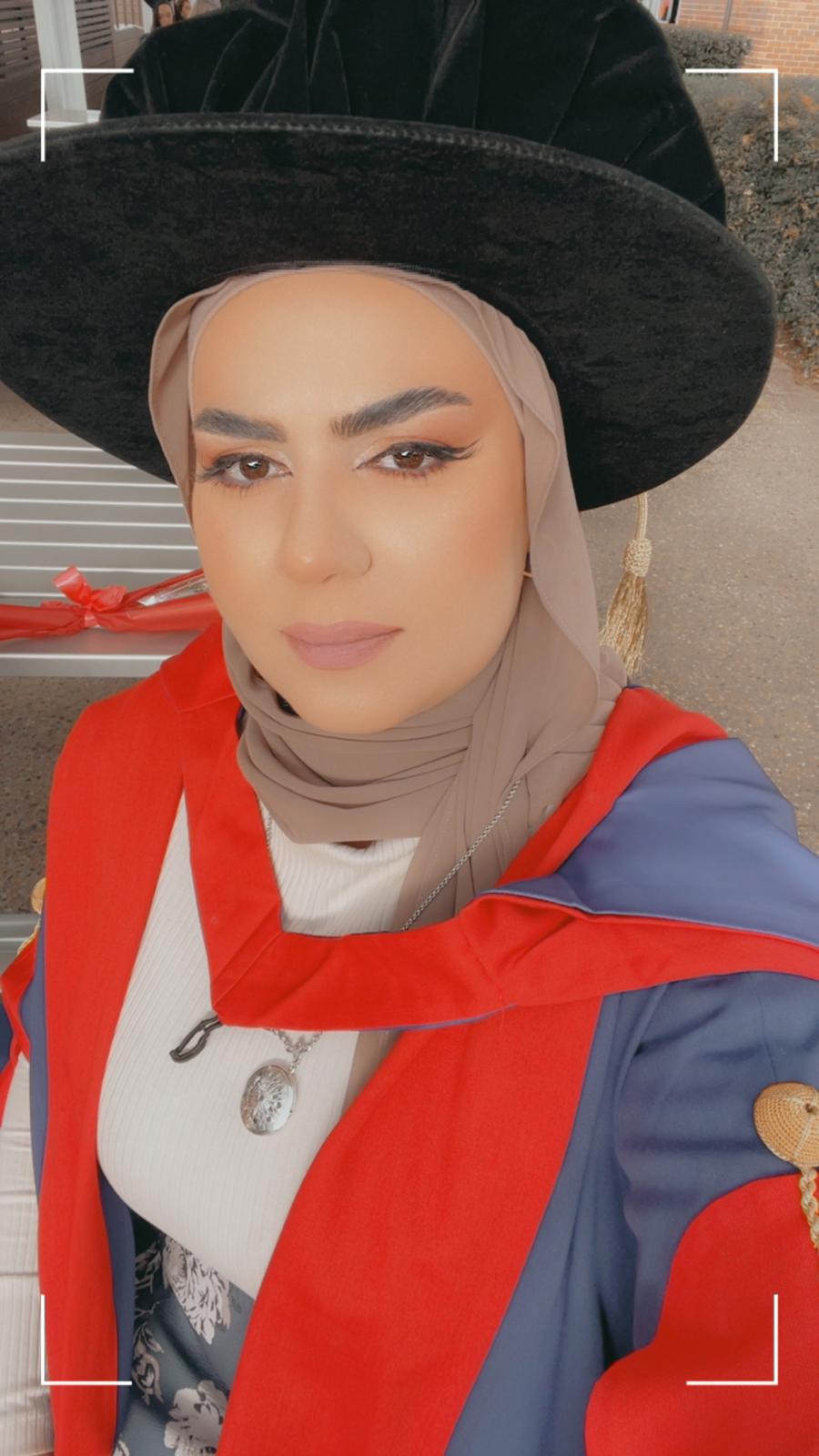
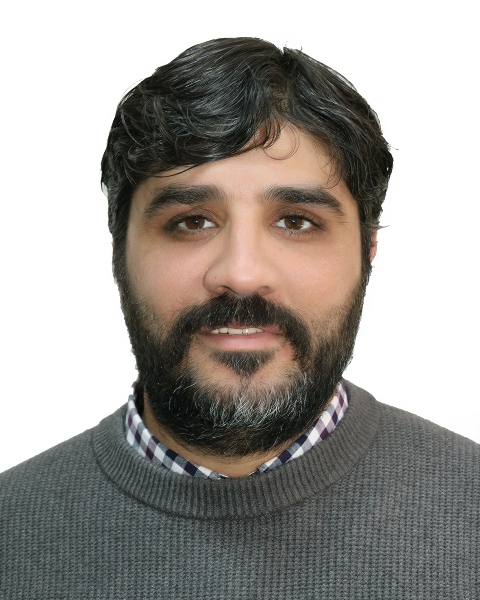
Faculty Members
أعضاء الهيئة التدريسية

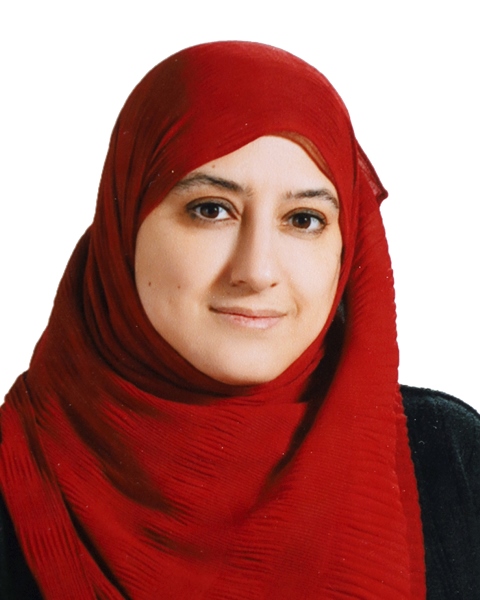

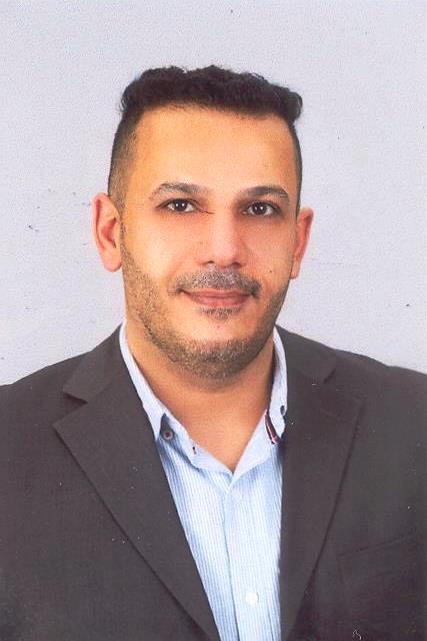


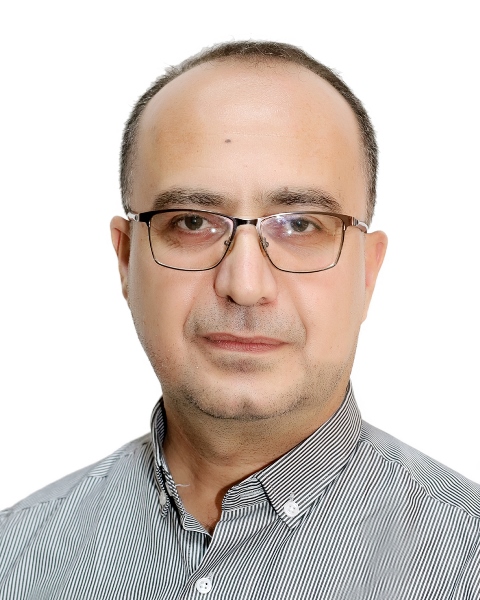
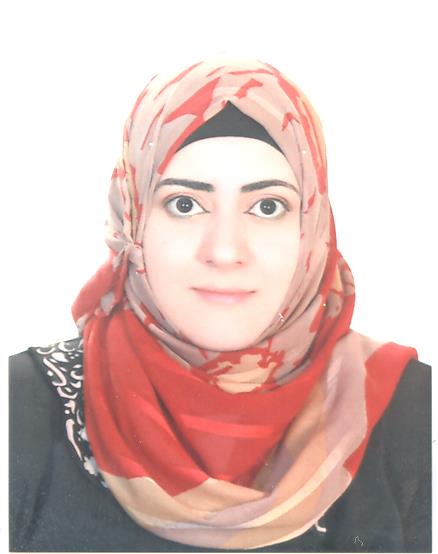
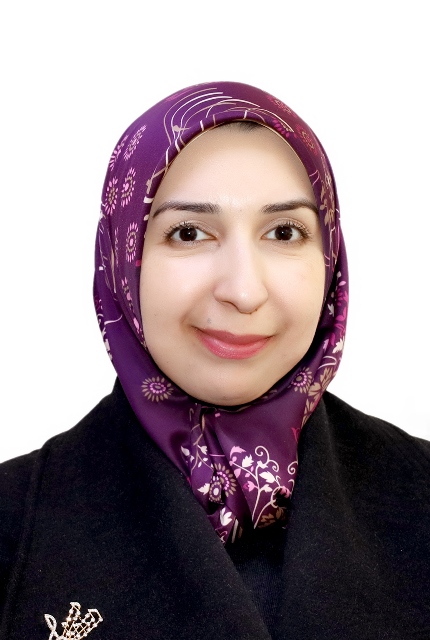
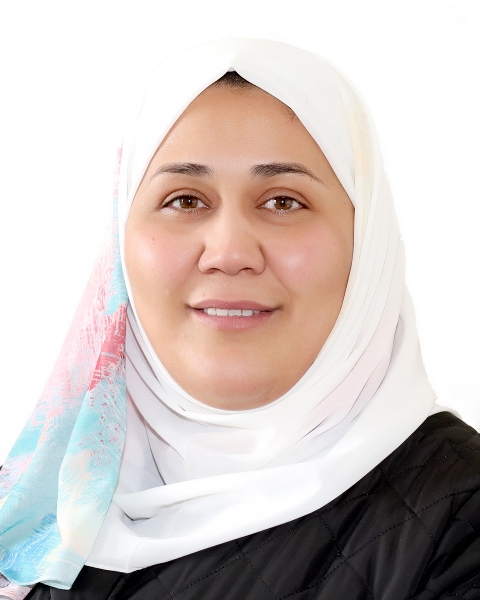

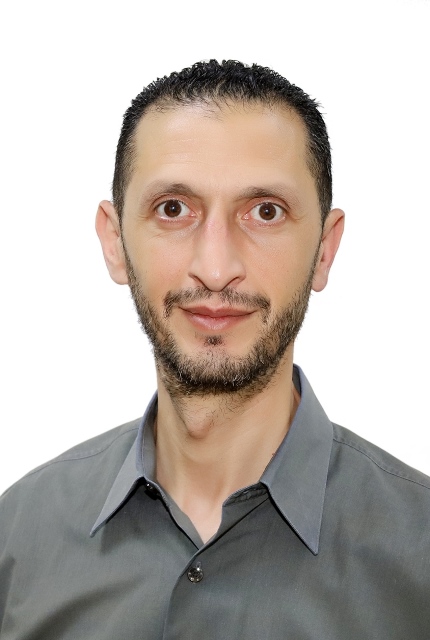
Lecturer
Ahmad Jarwan
Basic Scientific Sciences

أعضاء الهيئة التدريسية
Basic Scientific Sciences
Faculty Research & Publications
Faculty Members and Administrative Staff
Secretary to the Dean of Faculty of Science
Secretary of Faculty of Science Departments
This course focuses on the digestion process in the human body and the digestion of energy- producing nutrients. Study carbohydrates, proteins, and lipids. The course also describes the major and minor minerals, water-soluble vitamins, fat-soluble vitamins, and water in the body and their deficiency, toxicity, food sources, and functions in the body.
This course focuses on main definitions and principles of food science and technology; the composition of foods and their role in food processing; the influence of processing on food attributes; causes of food spoilage and an introduction to the principles of food preservation methods.
This course covers the major and many of the minor food components with respect to their chemical classification, structure, occurrence, properties and functions. Chemical changes due to handling, storage, preservation and processing are also emphasized. Colloids and their importance in foods are also covered.
This course covers the major and many of the minor food components with respect to their chemical classification, structure, occurrence, properties and functions. Chemical changes due to handling, storage, preservation and processing are also emphasized. Colloids and their importance in foods are also covered.
This course focuses on cookery processes and their properties; structure, composition and nutritive value of foods; the changes that occur during preparation and storage especially those in the nutritive value and the quality of the product
This course focuses on cookery processes and their properties; structure, composition and nutritive value of foods; the changes that occur during preparation and storage especially those in the nutritive value and the quality of the product
This course will discuss applications of human nutrition topics including energy and nutrients requirements- and calculations, water, electrolytes, and acid-base balance, assessment of food-
and nutrition-related history, overview of nutrition diagnosis and intervention, planning the diet, nutrition through life cycle, nutrition in weight management, and some nutrition- related
disorders
This course covers the chemical structures and chemical properties of macro- and micronutrients, pathways for metabolism of nutrients and mechanisms regulating these pathways, essential functions of nutrients in human cells and tissues, studying the basic metabolic processes with a focus on the effects of nutrients and the nutritional status of physiological and metabolic functions at the level of the cell, tissue, organ and the whole body, and its relationship to health and disease in humans. Pathologies associated with nutrient deficiencies, nutrient toxicities, and common metabolic disorders.
This course covers the chemical structures and chemical properties of macro- and micronutrients, pathways for metabolism of nutrients and mechanisms regulating these pathways, essential functions of nutrients in human cells and tissues, studying the basic metabolic processes with a focus on the effects of nutrients and the nutritional status of physiological and metabolic functions at the level of the cell, tissue, organ and the whole body, and its relationship to health and disease in humans. Pathologies associated with nutrient deficiencies, nutrient toxicities, and common metabolic disorders.
This course focuses on key pregnancy and early childhood topics, including preconception, prenatal growth, and physiological changes during pregnancy and lactation. It also addresses nutritional implications, dietary concerns, and the relationship between nutrition and growth during infancy and toddlerhood.
This course is a continuity of nutrition through the life cycle (1). It focuses on physiological, psychosocial, and physical growth during preschool, school, and adolescence and their relationship to nutrition. Additionally, the course addresses the physiological and physical changes, nutritional implications, and key dietary and health concerns related to old age.
This course focuses on the main nutritional disorders related to the upper and lower gastrointestinal tract, liver and pancreatic diseases, and anemia and the application of nutritional and dietetic principles in diseases that respond to diet therapy.
This course focuses on solving cases related to the main nutritional disorders related to the upper and lower gastrointestinal tract, liver and pancreatic diseases, and anemia and by practicing the nutrition care process to provide efficient nutritional interventions and improve outcomes and by the application of nutritional and dietetic principles in diseases that respond to diet therapy.
This course will discuss basic definitions and food guides and recommendations, the concepts of dietary guides, criteria of the healthful diet and energy needs calculation for healthy individuals. It also will use the basic human nutrition principles in planning regular and therapeutic diets, and discuss role of the dietitian and common hospital modified diets.
This course will practice application of basic dietary definitions, guidelines, and recommendations. These includes planning diets based on dietary guidelines, criteria of the healthful diet, and calculating energy needs for healthy individuals. It also will use the basic human nutrition principles in planning regular and therapeutic diets.
This course includes studying the basic principles of microbiology and its various types. It also discusses factors affect microbial growth in foods and surrounding environment and explore the role and significance of microorganisms in quality and safety of foods additionally, some examples of food associated microorganisms.
This course includes studying the basic principles of microbiology and its various types. It also discusses factors affect microbial growth in foods and surrounding environment and explore the role and significance of microorganisms in quality and safety of foods additionally, some examples of food associated microorganisms.
This course is designed as a continuous course for diet therapy 1. It focuses on the main nutritional disorders related to diabetes types and their management, cardiovascular diseases, hyperlipidemia, respiratory disease (copd), osteoporosis, and others, and the application of nutritional and dietetic principles in diseases that respond to diet therapy.
This course focuses on solving cases related to the main nutritional disorders related to the diabetes types and their management, cardiovascular diseases, hyperlipidemia, respiratory disease (copd), and osteoporosis, by practicing the nutrition care process to provide efficient nutritional interventions and improving outcomes and by the application of nutritional and dietetic principles in diseases that respond to diet therapy.
Studying the nutritional status and how to accurately assess it, knowing the relationship between diet and health, focus on the nutritional assessments methods for health and patients, the importance of the nutritional assessment, studying the systems of computerized dietary analysis, the dietary analysis on the internet, and the nutritional assessment in disease prevention.
Studying also the different techniques used in measuring diet and methods for assessment the hospitalized patients.
This course study the nutritional status and how to accurately assess it, by collecting different data, analyzing and interpreting it, to identiufy nutrtional problem. Focus on applying the standard tecniques for anthropometric measurments to assess pediatric, adults, and elderly, identifying nutrtional risk related to different biochemical measurments and physical findings, assess diet by collecting diet history using different methods and analyzing it using computarized systems.
This course presents frameworks for understanding and attaining behavior change, communication essentials, the counseling interview, developing a nutrition care plan, promoting change to facilitate self-management, group facilitation and counseling, keys to successful nutrition education interventions, educational strategies, technology, and evaluation and professionalism issues.
1110370 Food hygiene and safety (1 credit hours)
Introduction to the principles of food hygiene and its importance. Hygiene requirements during different stages of food production, as well as food storage and delivery. Personal hygiene and health requirements, cleaning and disinfection, and pest control. The application of hazard analysis and critical control point (haccp) systems in food establishments and principles of risk assessment are explained.
This course is designed as a continuous course for diet therapy 1 and 2. It focuses on the main nutritional disorders related to genetic metabolic disorders, critical care illnesses, cancer, aids, rheumatic and musculoskeletal diseases, and thyroid and endocrine diseases.
This course focuses on solving cases related to the main nutritional disorders related to genetic metabolic disorders, critical care illnesses, cancer, aids, rheumatic and musculoskeletal diseases, and thyroid and endocrine diseases, by practicing the nutrition care process to provide efficient nutritional interventions and improve outcomes and by the application of nutritional and dietetic principles in diseases that respond to diet therapy.
This course explore the definition of biotechnology and developments in food biotechnology. Principles of fermentation, genetic engineering, cloning and other modern techniques of biotechnology. Introducing the use of biotechnology in the production of fermented foods, production of enzymes, vitamins and proteins, and food safety issues of new biotechnologies.
The course highlights the importance of quality control as applied to food industry. Structure, management, and functions of food quality control, systems on industrial and official scales food regulations, standardization, statistical quality control, and related organizations to ensure quality and safety of food.
This course is designed to provide fundamental knowledge of the interaction's role between
nutrition and genetics in health and some metabolic diseases, as well as the role of nutrition in immunity, infections, and inflammations by clarifying the immune-modulatory effects of
nutrients in the human body.
This course presents the scientific basis for the study of nutritional epidemiology, emphasizing on principles of epidemiology, epidemiology and public health, measuring health and disease, types of studies, nutritional epidemiology and research methods (quantitative and qualitative methods, types of sampling and epidemiological approaches to community health assessment)
This course presents the scientific basis for the study of community, emphasizing community nutrition system, community nutrition programs (cnp), community needs assessment, program planning, addressing the obesity epidemic, health care systems and policy, food insecurity and food assistance programs, different age groups programs and services, developing nutrition intervention programs and managing community nutrition programs.
This course focuses on the interactions between drugs, supplements, and nutrients. It addresses common interactions, their mechanisms, and strategies to prevent or minimize their effects.
Topics include antibiotics and medications for chronic conditions, particularly cardiovascular diseases, diabetes, and chemotherapy, etc
The course allows students to acquire, develop, and demonstrate research project skills in the field of nutrition. The students devise a research plan based on the research proposals written during their study of research methods course. The students must statistically analyze their findings, write a final report, and present it using microsoft powerpoint. This is in addition to the skills of searching, reading, summarizing, writing, and presenting the findings to his/her colleagues.
Training the students to use the knowledge and skills they learned in a fieldwork to develop practical skills necessary for applying the nutritional care process and nutritional education for healthy individuals and communities, and providing health counselling and education.
Training the students to use the knowledge and skills they learned in clinical practice, enable them to develop practical skills necessary for applying nutritional care process of patients for different disease conditions
Training the student in a foodservice institution on menu planning and management of operations from purchasing until service as well as quality control.
Elective courses:
This course introduces the concept of functional foods. It focuses on the definition, comparisons, and different categories of functional foods: drugs, nutraceuticals (including micronutrients),
microbiological preparations and phytosterols (probiotics and prebiotics) claimed to be beneficial to health. Uses, claims and fads associated with functional foods. Applications of such foods and preparations in complicated chronic diseases such as cancer, cns disabling disease, obesity,
immune deficiencies, and disease of the elderly.
This course presents the scientific basis for sports nutrition, emphasizing basic nutritional Concepts, energy expenditure during resistance and endurance exercise, the diet during training, The timing and composition of the pre- and post-competition meals, the use of nutrients Supplements and ergogenic/ergolytic, and the special needs of various athletic groups. The Course provides practical information for the competitive athlete and people of all ages wishing To incorporate nutrition into an active, healthy, lifestyle.
1. Rawan Iyad Obaid
2. Rawan Ahmad Abdullah
3. Ayman Mohammed Ayoub
4. Mayada Bani Hamad
5. Ammar Jaradat
1. Heba Karasneh
2. Tuqa Ahmad Khashman
Physiotherapy Brochure
Bachelor of Science in Physiotherapy
Why Philadelphia University?
Philadelphia University is one of the distinguished private universities that was established in 1989. For the seventh year in a row, it ranked first among Jordanian private universities and ranked sixth among public and private Jordanian universities, according to the Webometrics Global Ranking for the evaluation of international universities and institutes for the year 2020. Philadelphia University is distinguished in Teaching, learning, scientific research and community service in accordance with international standards.
What is the specialty of physiotherapy?
The specialty of physiotherapy is one of the modern medical specialties that emerged in response to the great developments in health services worldwide, the increase in the number of people and life rates, which are usually associated with many chronic diseases, such as arthritis, osteoporosis, and disorders that affect the muscular and nervous system. These diseases usually lead to movement disabilities and a defect in the functions of organs. Therefore there is a need for physical therapy services. Physiotherapy includes: water therapy, manual therapy, massage, heat therapy, treatment with various modalities and different physical methods.
The main objective pf the physiotherapy specialization is to enable students to use therapeutic methods that to establish diagnosis, prevention, management of diseases. It also include management of movement disorders using therapeutic exercises and various electrophysical agents.
It also includes the rehabilitation of people with special needs, and includes areas of bones, nerves, muscles, respiratory system, circulatory system, burns, wounds, and various motor impairments.
What will I do in the future?
Get acquainted with one of the faculty members in the specialty of physiotherapy, where we will accompany you on a study journey that will last for four years of knowledge and giving.
I am Prof. Fuad Abdulla, I hold a PhD in neurorehabilitation and neuroscience. I am a member of a number of international and Arab scientific societies, universities and bodies. I supervised more than 10 PhD students and 49 master's students, and I am currently working as a faculty member and chair of the Department of Physiotherapy in the College of Allied Medical Sciences at Philadelphia University.
What will I study during my study journey in the field of physiotherapy?
The program offers a selection of subjects that qualify you to be competent in the labor market. The subjects you will study are divided into: 1. University requirements that contribute to building your language and communication skills in the Arabic and English languages, and also contribute to refining your personality, developing thinking skills, and developing your sense of citizenship, such as: communication skills, leadership and innovation, leadership and social responsibility, thinking skills, and national education. 2. College requirements that provide you with basic information about basic sciences, including physics and chemistry, in addition to anatomy and physiology. 3. Specialization requirements that fall under the main areas: Assessment and anatomy of the musculoskeletal system, therapeutic exercises at different levels, physiotherapy for various conditions including sports injuries, bone and muscle diseases, nervous system diseases, heart and lung diseases, surgical cases, children’s cases, and field training is one of the requirements for specialization, where you are trained 12 hours in one of the approved training institutions in the department, which contributes to linking the practical and applied aspects of the specialization, and helps you market yourself before graduation.
This email address is being protected from spambots. You need JavaScript enabled to view it.
This email address is being protected from spambots. You need JavaScript enabled to view it.
This email address is being protected from spambots. You need JavaScript enabled to view it.
This email address is being protected from spambots. You need JavaScript enabled to view it.
This email address is being protected from spambots. You need JavaScript enabled to view it.
This email address is being protected from spambots. You need JavaScript enabled to view it.
This email address is being protected from spambots. You need JavaScript enabled to view it.
This email address is being protected from spambots. You need JavaScript enabled to view it.
This email address is being protected from spambots. You need JavaScript enabled to view it.
This email address is being protected from spambots. You need JavaScript enabled to view it.
This email address is being protected from spambots. You need JavaScript enabled to view it.
This email address is being protected from spambots. You need JavaScript enabled to view it.
This email address is being protected from spambots. You need JavaScript enabled to view it.
Jarash Road, 20 KM out of Amman, Amman Jordan
dummy P.O.Box: 1 Amman - Jordan 19392
dummy +96264799000
dummy +96264799040
dummy info@philadelphia.edu.jo