|
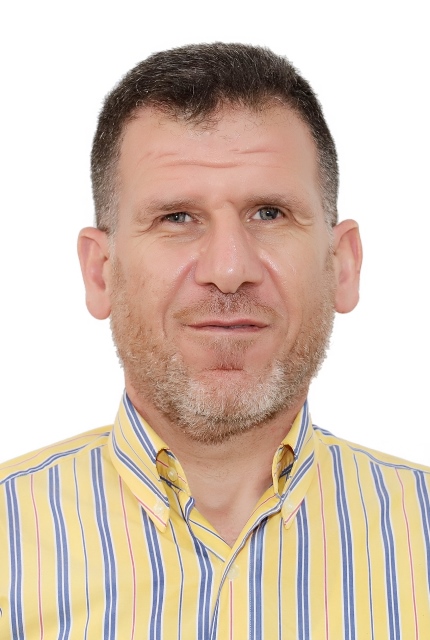
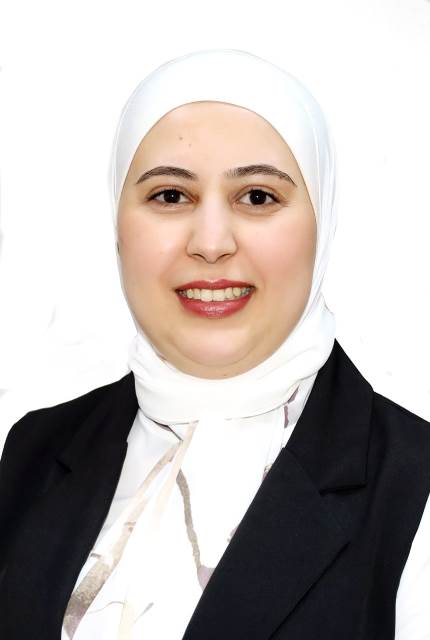
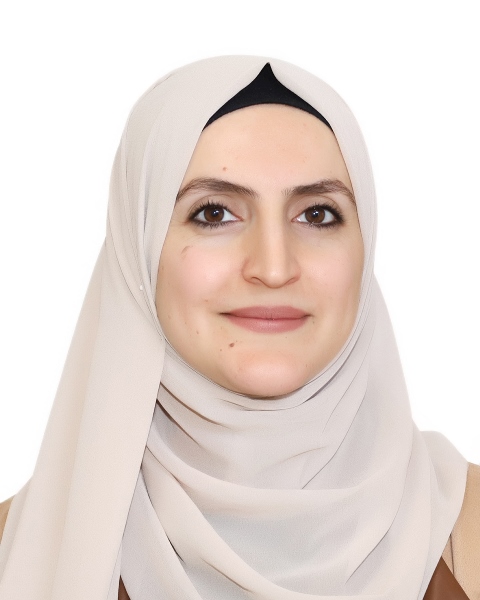
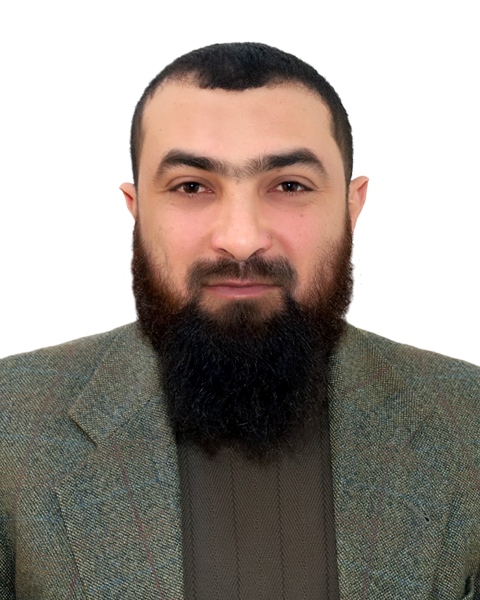
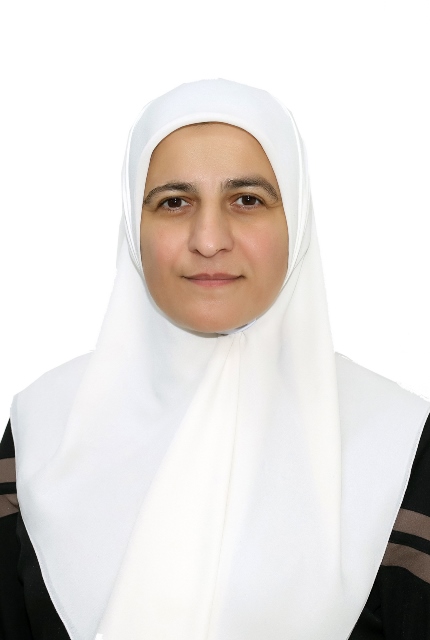
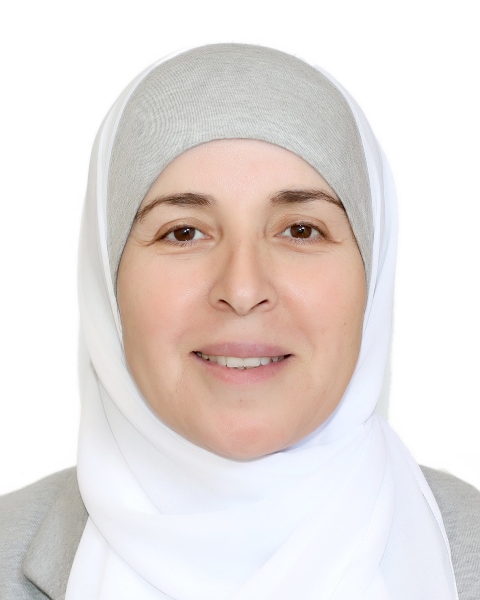
Dr. Sanaa Khalil Al-Sayed |
Chair |
|
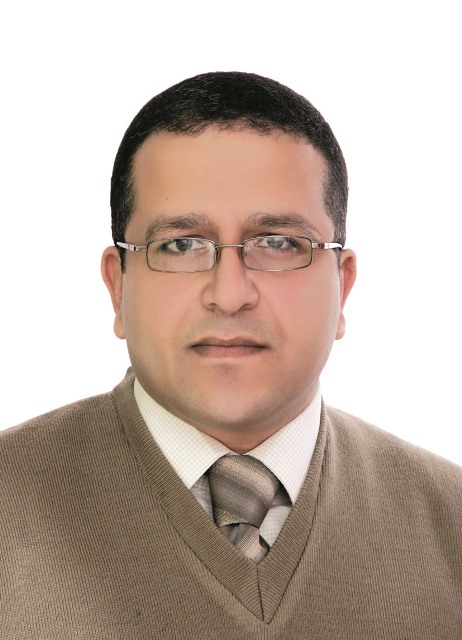
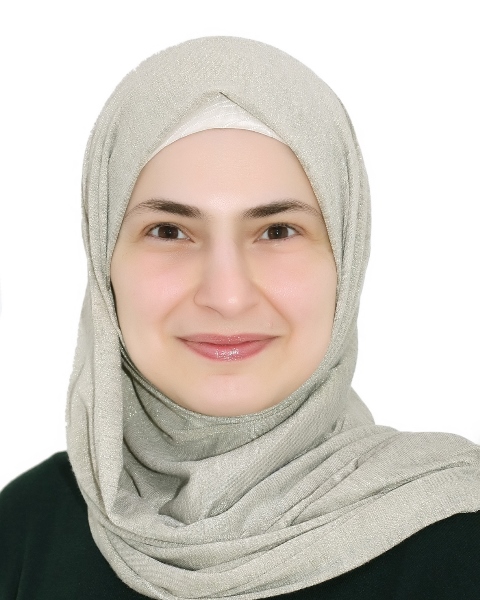
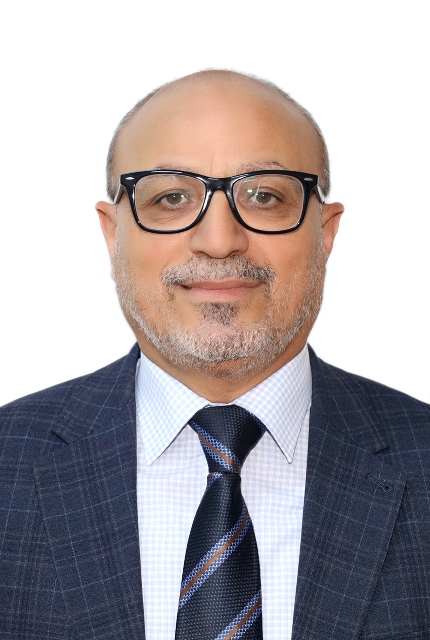
Dr. Rasha Al-Khatib |
Member / Faculty of Arts and Educational Sciences |
|
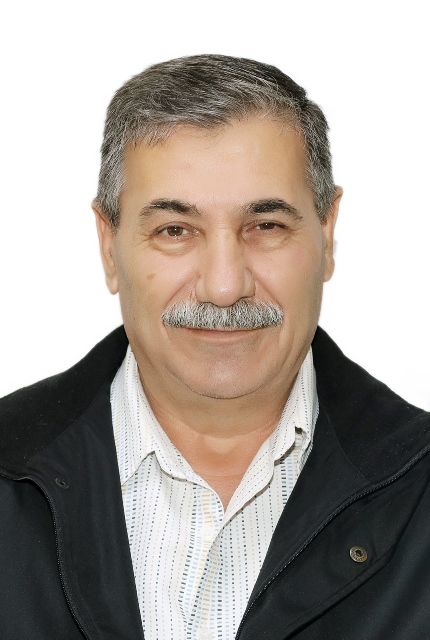
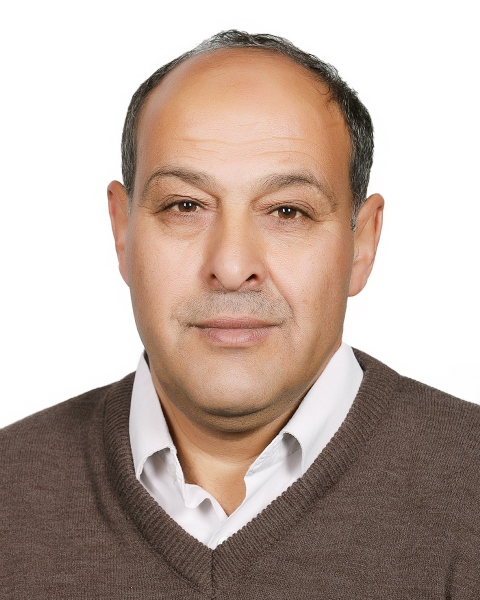
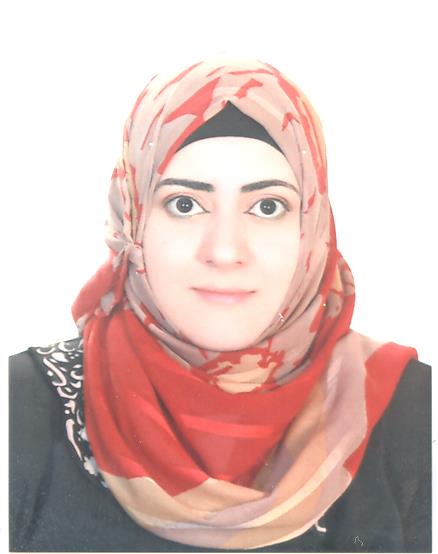
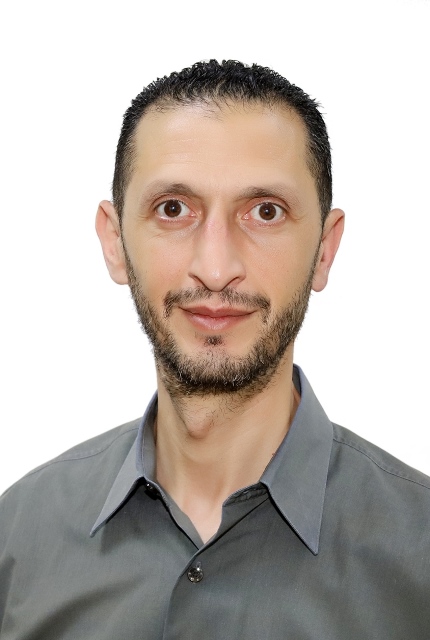
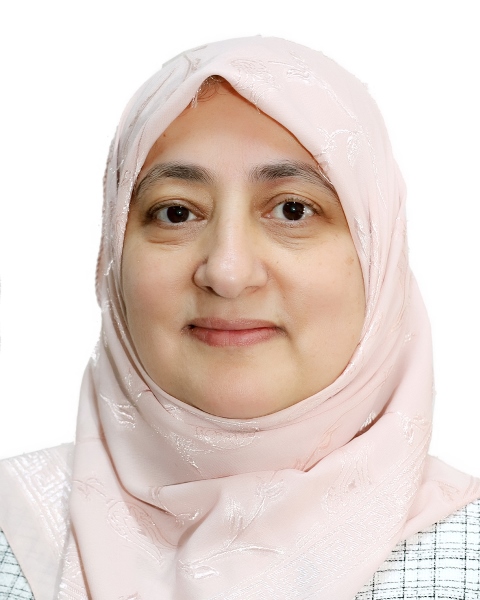
Dr. Ahmad Momani |
Member / Faculty of Information Technology |
|
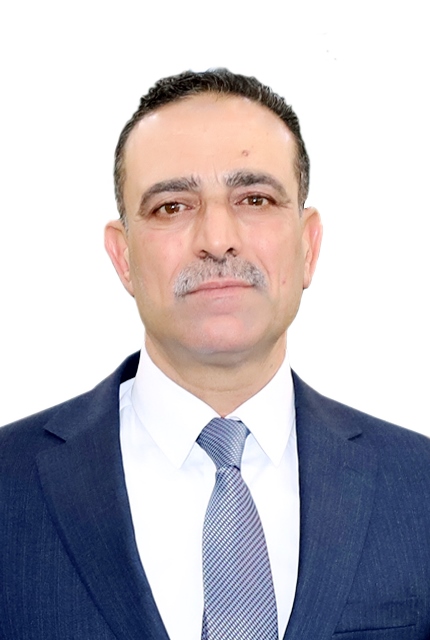
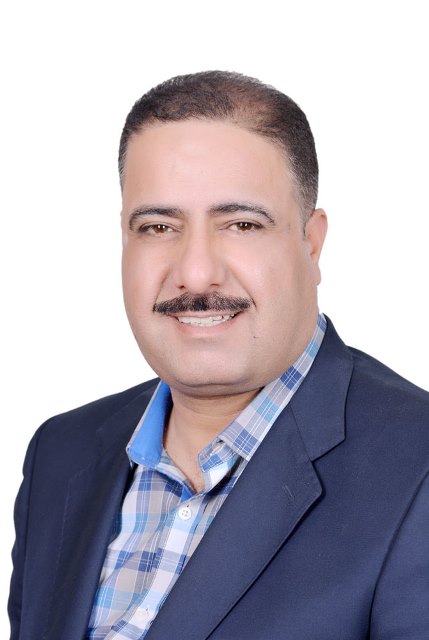
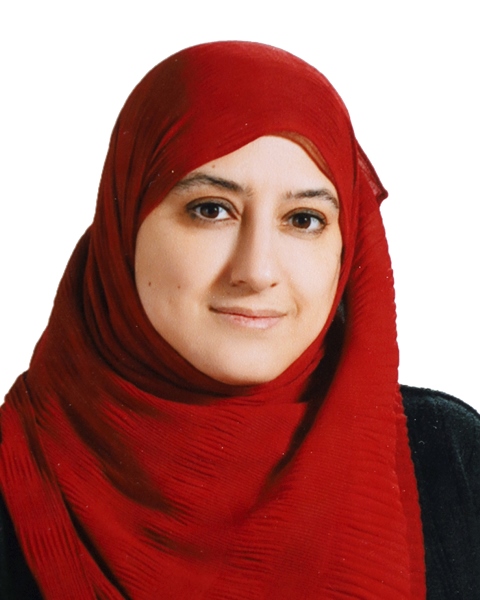
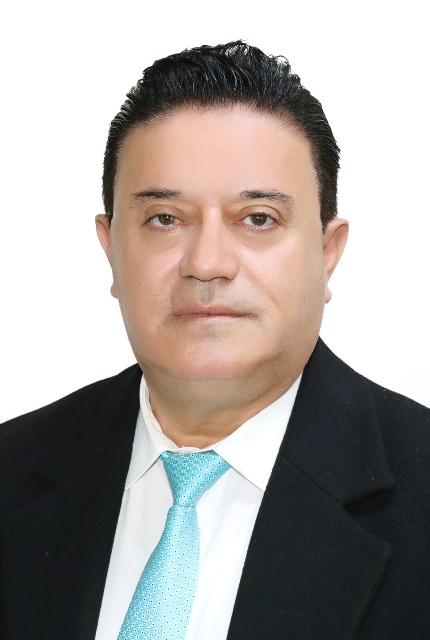
Dr. Haneen Ababneh |
Member / Faculty of Science |
|
Dr. Ranieh Al-Sabe' |
Member / Faculty of Nursing |
|
Dr. Mohammad Ali |
Member / Faculty of Allied Medical Sciences |
|
Dr. Mohammad Al-Nadi |
Member / Faculty of Business |
|
Dr. Reham Al-Jalamdeh |
Member / Faculty of Pharmacy |
|
Mr. Khaled Aqlat |
Member / Faculty of Law |
|
Dr. Zaid Al-Attari |
Member / Faculty of Engineering and Technology |
|
Dr. Aya Al-Sheikh Salem |
Member / Faculty of Architecture and Design |
|
Dr. Amal Al-Quraan |
Member / From the Local Community |
|
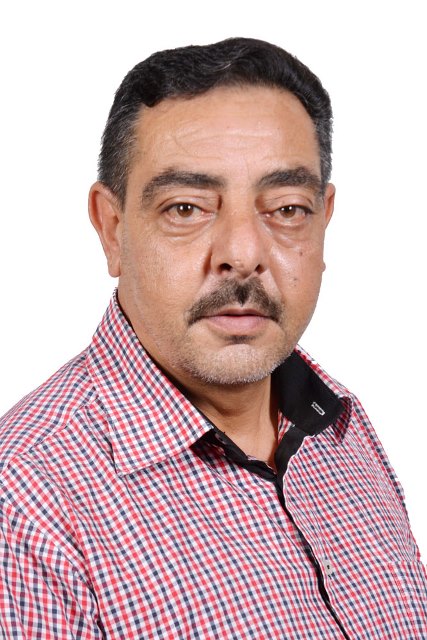
Mr. Hossam Al-Daqas |
Member / From the Local Community |
|
Student Arwa Wishah |
Member / Faculty of Arts and Educational Sciences |
|
Student Muhannad Mohammad Ali Bakir |
Member / Faculty of Engineering and Technology |
|
Mr. Bilal Al-Momani |
Secretary |
Graduate Attributes
Graduates of the Master's program in Genes and Molecular Diagnostics should have the following characteristics:
Program Learning Outcomes for Master of Genes and Molecular Diagnostic
Knowledge and Understanding
Kp1: Demonstrate high level of understanding and recognizing the biochemical, molecular and cellular structure of organisms and other biological systems.
Kp2: Understand the concepts, regulations and applications of the existing and emerging methods of Molecular Diagnosis.
Kp3: Understand the molecular techniques including: immunological techniques, polymerase chain reaction, DNA sequencing, gene editing, microarray blotting and nucleic acids hybridizations along with the basic skills of laboratory organization and management.
Kp4: Understand the Advance Mendelian and non-Mendelian rules of heredity and their role in interpretation of the molecular diagnostic results.
Kp5: Extract data from specific databases using accessions numbers, gene names, run advance analyses on genomic sequences, prediction of pathogenic and non-pathogenic variants and protein structure.
Intellectual, Professional and practical skill
Sp1: Demonstrate ability and responsibility in using and preserving laboratory equipment's necessary in the applications of medical laboratory in Diagnosis and related fields and design and manage scientific Biological laboratories.
Sp2: Investigate and analyze the role of heredity and molecular genetics concepts in human disorders and congenital abnormalities.
Sp3: Demonstrate proficiency; establish, maintain and preserve cell cultures using aseptic techniques and standard diagnostics procedures.
Sp4: Conduct advance informatics research using online resources.
Sp5: Collaborate with team members on time management balancing workload utilizing, preserving and maintaining equipment’s.
Competencies
Cp1: Demonstrate critical thinking skills, utilize a wide range of information sources.
Cp2: Perform analytical laboratory work, communicate and interpret scientific ideas and principles through oral presentations and written research proposal and scientific papers.
Cp3: Demonstrate the ability to engage in life-long learning independently, with a high level of enthusiasm and commitment to improve knowledge and competence continuously.
Cp4: Demonstrate professional and ethical conduct
Course Description
Advanced Cell Biology (3 CHs)
The course will focus on the molecular basis of cell structure/function and communication, with an emphasis on signal transduction pathways integrating cellular physiological at a more advanced level than in the introductory courses of Cell Biology. This course introduces advanced topics on the growth and division of eukaryotic cells and their differentiation through the review of selected examples of original research conducted in model organisms (yeast, Drosophila, Xenopus, plants, mammalians, cultured cells). This is a compulsory Module for MSc in Genetics and molecular diagnosis.
Advanced Biochemistry (3 CHs)
A comprehensive study of bio-energetic principles, the pathways, enzymes, and organic chemical mechanisms involved in the metabolic pathways of carbohydrates, lipids, amino acids, nucleic acids. Additional emphasis is on biochemical principles that are used in diagnostics of biomolecules. This is a compulsory Module for MSc in Genetics and molecular diagnosis.
Laboratory Applications in Molecular Diagnostic (3 CHs)
Students will study molecular techniques that are used in diagnostics with emphasis on nucleic acid based techniques including methods based on amplification, sequencing, hybridization or combinations in addition to quality assurance in the molecular laboratories. Students will also be trained in principles and analyzing diagnostic methods that are commercially available. This is a compulsory Module for MSc in Genetics and molecular diagnosis.
Advanced Bioinformatics ( 3 CHs)
The course aims to provide large scale analyses of DNA, RNA and protein sequences by programming and scripting based on command-line tools and using Linux operating system. The course will cover the following .topics based on command line tools: access to information, pairwise alignment BLAST, databases searching, multiple alignment phylogeny, chromosomes, next generation sequencing, RNA sequences, protein structure, functional genomics human genome and human diseases. This is a compulsory Module for MSc in Genetics and molecular diagnosis.
Microbial Genetics and Genomics (2 CHs)
In this module the student will learn about the genomic structure of microorganism and provides a brief introduction on genomics concepts and approaches, emergence of the genomic era. Methods of genome sequencing and annotation, transcriptomic approaches, proteomics approaches. Advances made by genomics studies on the understanding of microbial genome organization, evolution and functioning are then discussed. Emphasis of the human microbiota and its importance. Infection in context as a cause of national and global morbidity and mortality. Methods of diagnostics, susceptibility testing and strain typing in clinical microbiology with special reference to the place of genomic methods and their advantages and disadvantages in clinical diagnostics. This is a compulsory Module for MSc in Genetics and molecular diagnosis.
Quantitative Research and Biostatistics (2 CHs)
This course is designed to provide students with the skills necessary to conduct research, to consider questions being asked, to select appropriate measurement tools and types of data to be collected, sampling methods and data management and the course also focuses on applied statistics utilizing computer analysis of data with a revision of essential statistical tests, selection of appropriate statistical
tests and output interpretation. This is a compulsory Module for MSc in Genetics and molecular diagnosis.
Forensic Molecular Biology (2 CHs)
Forensic molecular biology emphasizes molecular techniques such as DNA profiling and repetitive DNA in the genome. Additionally, students will get exposure to Analyze biological evidence from humans and other organisms. New developments in the field of forensic DNA analysis will also be examined. This is an elective Module for MSc in Genetics and molecular diagnosis.
Molecular Immunology (2 CHs)
This course is an extension of the Basic Immunology, providing the tools to interpret the molecular mechanisms of the natural and adaptive immune response and of the pathogenesis of diseases in which the immune system is involved. Furthermore, this course insight into the origin of immune pathological processes, therapeutically strategies for their treatment and the basic immunological techniques. This is an elective Module for MSc in Genetics and molecular diagnosis.
Genetics of Human Diseases (2 CHs)
The course aims to make the genetic effect of human diseases understood. The course covers the gap between genotype and phenotype by revealing the effect of a variant on gene and then its effect on a person. It also covers the identification of genes and variants for monogenic disorders and the identification of susceptible factors for complex diseases including cancer. Moreover, the various genetic tests including tests for specific genetic variants, clinical diagnostic testing and population screening beside the genetic approach to treat disease's will be covered. This is an elective Module for MSc in Genetics and molecular diagnosis.
Molecular Parasitology (2 CHs)
This course will explore the molecular biology and mechanisms of virulence of eukaryotic protozoan parasites that are major causes of human disease and misery in most countries of the tropics. The entry of molecular biology with its elucidation of the genetics, genomics and proteomics of these organisms has provided increasingly sophisticated explanations of their capacities to persist under intense ecological and physiological pressures. The students: (i) will gain a detailed understanding of the molecular biology of these organisms; (ii) will increase their ability to read scientific papers and (iii) will be able to analyze and discuss some of the molecular laboratory techniques presented during the course. This is an elective Module for MSc in Genetics and molecular diagnosis.
Molecular Virology and Mycology (2 CHs)
This module will focus on the general concepts in medical and molecular virology and mycology. These will include the varied structure and replication mechanisms of viruses and fungi along with pathogenesis, epidemiology, immunity, and
nucleic acid diagnosis of systemic, subcutaneous and superficial of viral mycolic infections.
This is an elective Module for MSc in Genetics and molecular diagnosis.
Molecular Environmental Techniques (2 CHs)
This course will provide students with knowledge from the interphase
between environmental and molecular biology with a specific focus on
the use of modern molecular methods in environmental biology. The
course focusses on how environmental and anthropogenic stressors (e.g.,
drought, heat, chemicals) affect organisms at the physiological and
molecular levels and on the molecular tools that can be applied in order
to conduct such assessments. Students will learn how to identify and
quantify selected stress responses (e.g. photosynthetic and respiratory
rate, oxidative stress, DNA-damage, gene expression of stress proteins)
and genetic changes in populations. This is an elective Module for MSc in Genetics and molecular diagnosis.
Statistical Genetics (2 CHs)
This course will teach the students the methods of statistical analysis for molecular genetics data. The course will cover the following topics: detecting errors in the generated genetic data, family’s studies, populations studies, linkage analysis in terms of model based and model free, family based association analysis and genome wide association studies. This is an elective Module for MSc in Genetics and molecular diagnosis.
Advanced Hematology (2 CHs)
This course provides a comprehensive study of the physiology and regulation of the hematopoietic system, and the genetic, molecular and cellular mechanisms underlying the pathophysiology of selected anemias, leukemia and lymphomas. Utilization of appropriate laboratory tests for screening, molecular diagnosis, monitoring, and determining prognosis are discussed and applied through clinical scenarios and case studies. Review of current scientific literature and advanced laboratory practice issues are also covered. This is an elective Module for MSc in Genetics and molecular diagnosis.


Plant genetics and Genomics (2 CHs)
This module will provide an in-depth study of the applications of plant molecular genetics, genomics and transformation technologies in both model and crop plants. This is an elective Module for MSc in Genetics and molecular diagnosis.
Vision
The program's vision is to prepare graduates who are academically and research-competitive at the national and international levels, in addition to providing the local and regional community with holders of master's degrees in genes and molecular diagnostics.
Mission
Vision
The program's vision is to prepare graduates who are academically and research-competitive at the national and international levels, in addition to providing the local and regional community with holders of master's degrees in genes and molecular diagnostics.
Mission
![]() |
Master's Program in Genetics and Molecular Diagnosis Phone: Ext: 2462 Email: This email address is being protected from spambots. You need JavaScript enabled to view it. |
Genes and molecular diagnostics is a field that studies the structure, function, and molecular interactions of living organisms, with a particular focus on genes and how they influence disease and genetic traits. The specialization aims to use molecular diagnostic techniques (such as DNA analysis) to diagnose genetic and infectious diseases, identify their causes and associated health risks, monitor patients' response to biological therapies, and develop new treatments and “personalized medicine” tailored to each individual.
Genes and molecular diagnostics have become widespread in most countries around the world, whether for diagnosing genetic and cancerous diseases or the causes of infectious diseases such as the coronavirus. Joint research at the global level has become integrated and includes expertise from different countries, leading to an increase in job opportunities for specialists in this field. Accordingly, Philadelphia University has decided to introduce a genes and molecular diagnostics program in the academic year (2023/2024), which will be unique at the local and regional levels.
One of the most important features of the Master's program in Genes and Molecular Diagnostics at Philadelphia University is that students enrolled in the program can obtain a degree through either a thesis track or a comprehensive track. The study plans for both tracks cover a wide range of fields and areas of knowledge related to the specialization, divided into two sections: compulsory subjects and elective subjects.
The program includes faculty members who specialize in various fields of genetics and molecular diagnostics and have extensive experience in research and teaching activities. The department has also provided research laboratories equipped with the latest laboratory equipment and tools, as well as all books and resources.
Jarash Road, 20 KM out of Amman, Amman Jordan
dummy P.O.Box: 1 Amman - Jordan 19392
dummy +96264799000
dummy +96264799040
dummy info@philadelphia.edu.jo